Archives
- 2026-06
- 2026-05
- 2026-04
- 2026-03
- 2026-02
- 2026-01
- 2025-12
- 2025-11
- 2025-10
- 2022-03
- 2022-02
- 2022-01
- 2021-12
- 2021-11
- 2021-10
- 2021-09
- 2021-08
- 2021-07
- 2021-06
- 2021-05
- 2021-04
- 2021-03
- 2021-02
- 2021-01
- 2020-12
- 2020-11
- 2020-10
- 2020-09
- 2020-08
- 2020-07
- 2020-06
- 2020-05
- 2020-04
- 2020-03
- 2020-02
- 2020-01
- 2019-12
- 2019-11
- 2019-10
- 2019-09
- 2019-08
- 2019-07
- 2019-06
- 2019-05
- 2019-04
- 2018-11
- 2018-10
- 2018-07
-
br The role of TNFs and AD
2021-08-13

The role of TNFs and AD The TNF superfamily includes 19 members that can bind 29 different receptors [56, 57]; the 19 members are Lta, TNF-α, lymphotoxin-β (LTβ), OX40L, TNF associated activation protein (TRAP, also named CD40L or gp39), factor associated suicide ligand (FasL), CD70, CD153, 4-1BB
-
In conclusion the magnitude of the association between
2021-08-13
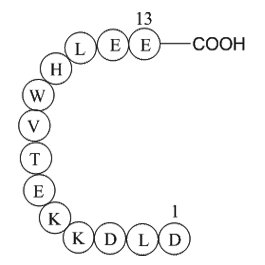
In conclusion, the magnitude of the association between prenatal exposure to MeHg and child neuropsychological development appears to be modified by polymorphisms in CYP3A7 and CYP3A5 genes in some of the populations studied. These results provide some support for the hypothesis that CYP3A genes may
-
br Methods br Results br Discussion
2021-08-13

Methods Results Discussion The lowest intra-CeA dose of R278995/CRA0450 that prevented the elevations in Ciprofloxacin hydrochloride reward thresholds associated with nicotine withdrawal was 0.05μg/side (0.1μg total bilateral dose). The total bilateral dose in the present study is 100 times
-
P H is a nonheme
2021-08-13

P4H is a nonheme iron(II) dioxygenase that uses O2 and α-ketoglutarate as co-substrates (Fig. 1A). The three-dimensional structure of mammalian P4H is unknown. We reasoned that an electrophilic analog of α-ketoglutarate could serve as an irreversible inhibitor of the enzyme and, hence, a useful prob
-
This structure guided the variation of the compounds aiming
2021-08-13

This structure guided the variation of the compounds aiming either at enhanced interaction with CK1 or to exclude interaction with CK1 (R=Me, 15). We chose the 5-cloro substituted oxoindole as backbone as it is supposed to show enhanced metabolic stability, which is commonly used in medicinal chemis
-
Among the down regulated genes were several of
2021-08-12
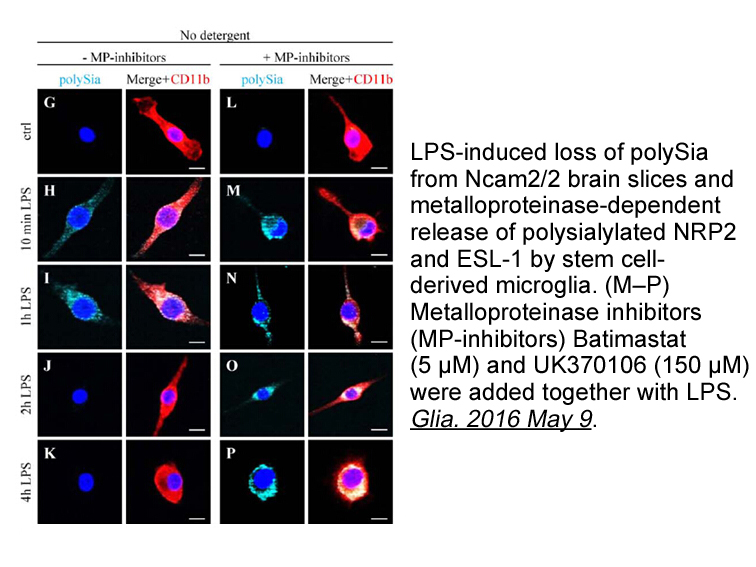
Among the down-regulated genes were several of interest. Coronin2a (Coro2a), a component of the nuclear receptor co-repressor complexes, contributes to de-repression of inflammatory response genes (Huang et al., 2011). Mill1, an MHC family member expressed in hair follicles, represses wound healing
-
Tranexamic Acid Diagnosis of NCC can be accomplished via ima
2021-08-12
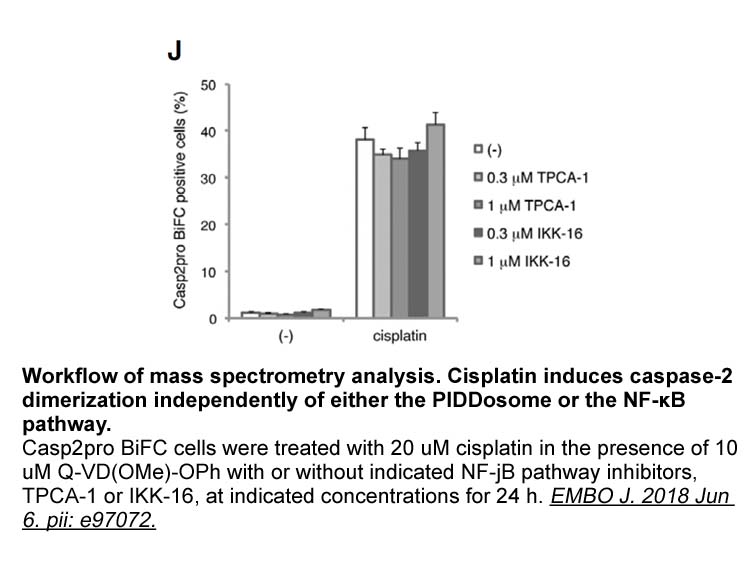
Diagnosis of NCC can be accomplished via imaging techniques and serological confirmatory testing. The best immunodiagnostic test for NCC, the enzyme-linked immunotransfer blot EITB (Tsang et al., 1989), is based on the detection of Tranexamic Acid to one or more of the 7 lentil-lectin glycoproteins
-
The discoidin domain receptors DDR and
2021-08-12
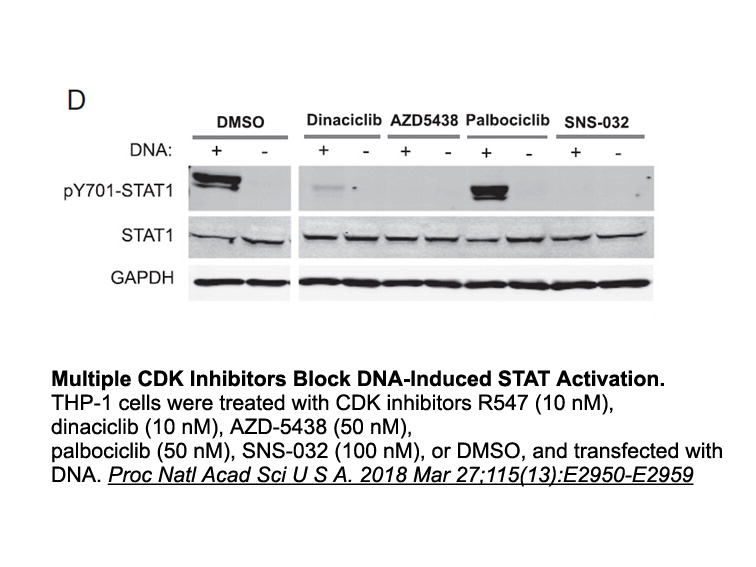
The discoidin domain receptors, DDR1 and DDR2, are receptor tyrosine kinases (RTKs) that are stimulated by collagen in the extracellular matrix (ECM). Unlike most other RTKs, they form ligand-independent stable dimers that are non-covalently linked. This ECM activation induces receptor phosphorylati
-
The fact that the mean tumor size
2021-08-12
The fact that the mean tumor size of the E1202-654 + α-GalCer group was much smaller than that of the α-GalCer inoculated group in both protocols indicates that immunization with E1202-654 plus α-GalCer, which induces a strong CD8+ T cell E1 antigen-specific immune response, is involved in the elimi
-
Concerning family A GPCRs although it
2021-08-12
Concerning family A GPCRs, although it has been described that several receptors are able to operate as monomers (Arcemisbéhère et al., 2010; Bayburt et al., 2011; Chabre & le Maire, 2005; Ernst, Gramse, Kolbe, Hofmann, & Heck, 2007; Hanson et al., 2007; Kuszak et al., 2009; Whorton et al., 2007), e
-
Several DA receptors heteromers with a
2021-08-12
Several DA receptors heteromers with a therapeutic potential have been described, including D1R/D3R (Fiorentini et al., 2010), but their roles remain to be established. Moreover, most studies on receptor heteromers in addiction focused on the striatum because of its key role in the pathology and its
-
Bay 11-7085 br Concluding remark br Acknowledgements br Dete
2021-08-12
Concluding remark Acknowledgements Detection and repair of the numerous, and potentially lethal, DNA lesions arising in human Bay 11-7085 daily is largely mediated by an efficient system collectively termed the DNA-damage response (DDR). Paradoxically, DNA-repair processes within cancer cell
-
Keeping the cofactor content oligomeric state subcellular lo
2021-08-12
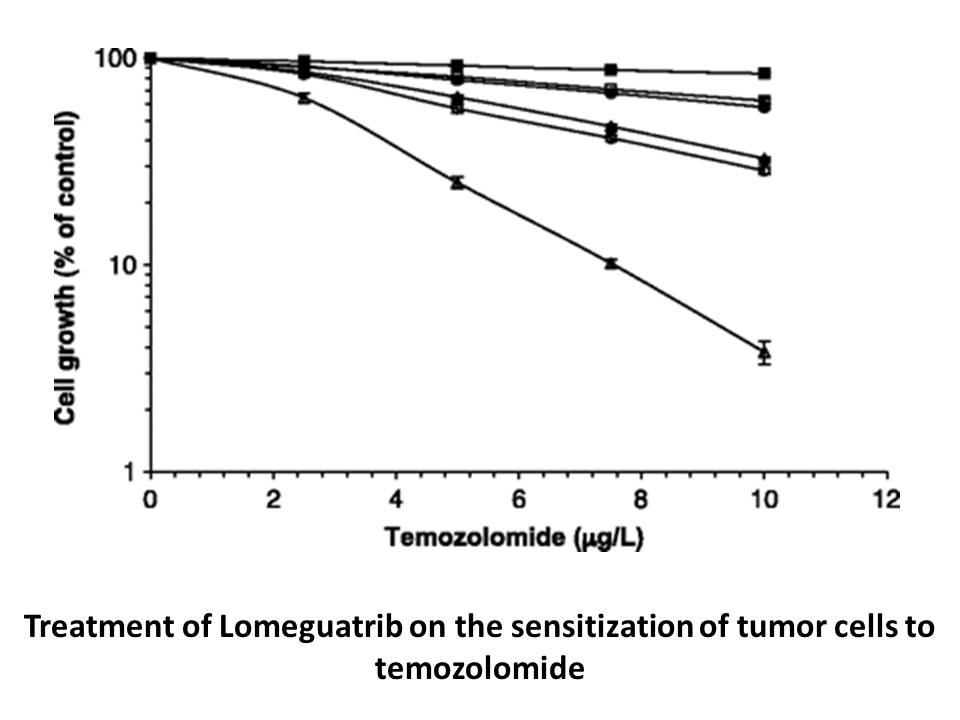
Keeping the cofactor content, oligomeric state, subcellular localization, and membrane association in view, DHODH has been broadly divided into two classes, class 1 and class 2 [26], [27]. In many species it is present to either cytoplasm (Class 1) or to the inner mitochondrial membrane (or plasma m
-
What does this mean for cancer therapy
2021-08-12
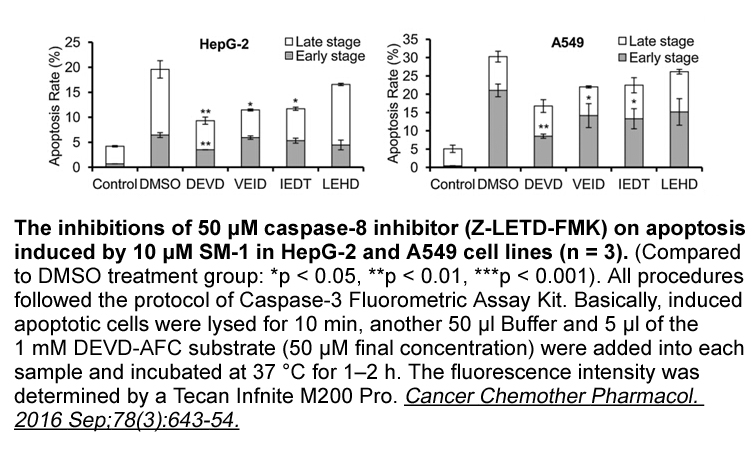
What does this mean for cancer therapy? We found that components of the de novo pyrimidine synthesis pathway rarely mutate in cancer, clearly showing its importance. In our experimental models, the pathway, including DHODH itself, was primed to respond when the block in CoQ redox-cycling was removed
-
An even more striking difference
2021-08-12
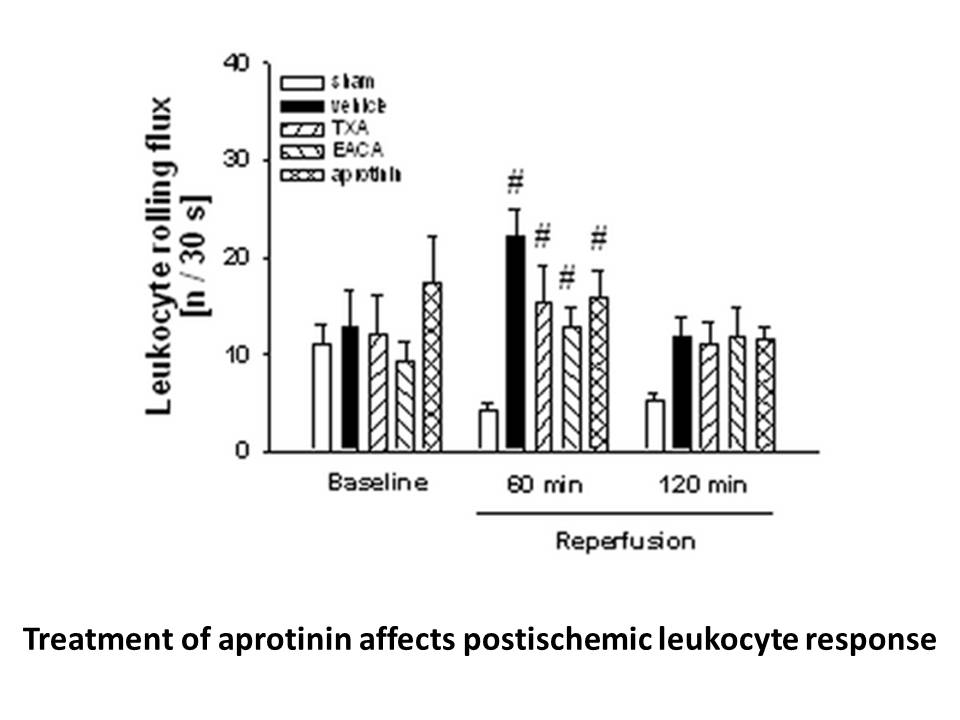
An even more striking difference is observed when comparing active site residues, which are evolutionarily very well conserved in other soluble PPases 18, 19. In 31 known PPase sequences, 13 functionally important active site residues are conserved in all sequences, but only two of them (D70 and D97
9214 records 146/615 page Previous Next First page 上5页 146147148149150 下5页 Last page