Archives
- 2026-08
- 2026-07
- 2026-06
- 2026-05
- 2026-04
- 2026-03
- 2026-02
- 2026-01
- 2025-12
- 2025-11
- 2025-10
- 2022-03
- 2022-02
- 2022-01
- 2021-12
- 2021-11
- 2021-10
- 2021-09
- 2021-08
- 2021-07
- 2021-06
- 2021-05
- 2021-04
- 2021-03
- 2021-02
- 2021-01
- 2020-12
- 2020-11
- 2020-10
- 2020-09
- 2020-08
- 2020-07
- 2020-06
- 2020-05
- 2020-04
- 2020-03
- 2020-02
- 2020-01
- 2019-12
- 2019-11
- 2019-10
- 2019-09
- 2019-08
- 2019-07
- 2019-06
- 2019-05
- 2019-04
- 2018-11
- 2018-10
- 2018-07
-
In the Cu bioassay notwithstanding the absence of
2019-09-29
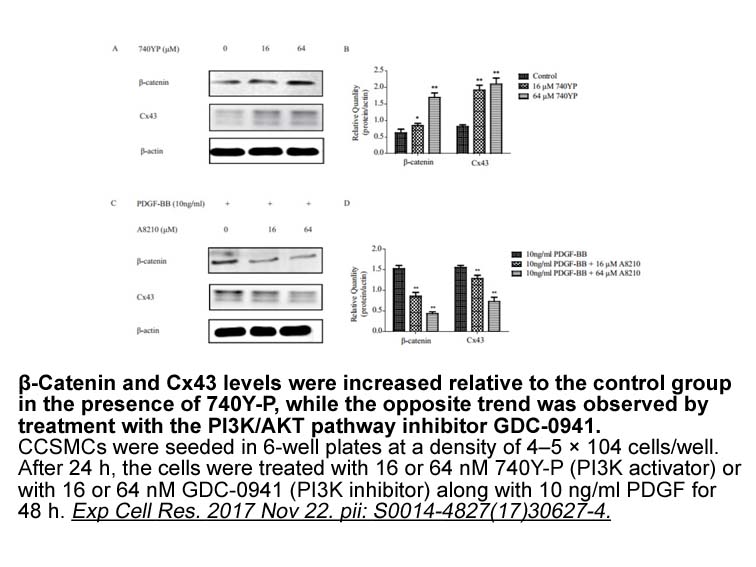
In the Cu bioassay, notwithstanding the absence of significant Cu bioaccumulation in bulk tissues over the 96-h exposure period (less than 2-fold difference in tissue Cu between controls and the second-highest treatment), T-ChE activity increased with Cu concentration in gill and, to a lesser extent
-
The quantification and monitoring of ChEs enzymatic activiti
2019-09-29
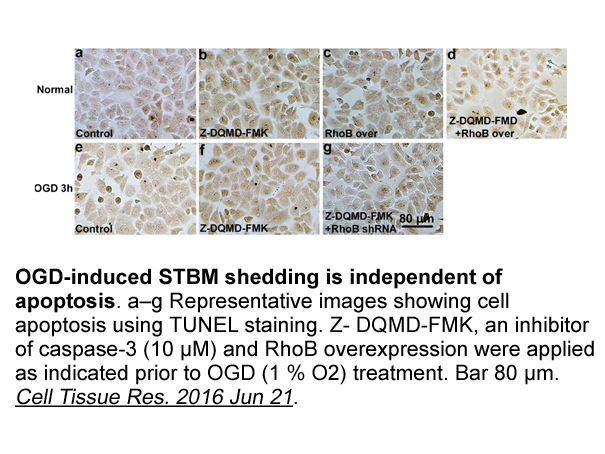
The quantification and monitoring of ChEs enzymatic activities have traditionally been associated to environmental studies in order to diagnose the exposure of non-target organisms to specific anti-cholinesterasic agents (Nunes, 2011). The importance of these enzymes as biomarkers of environmental c
-
br Pathophysiology of premature ovarian failure
2019-09-29
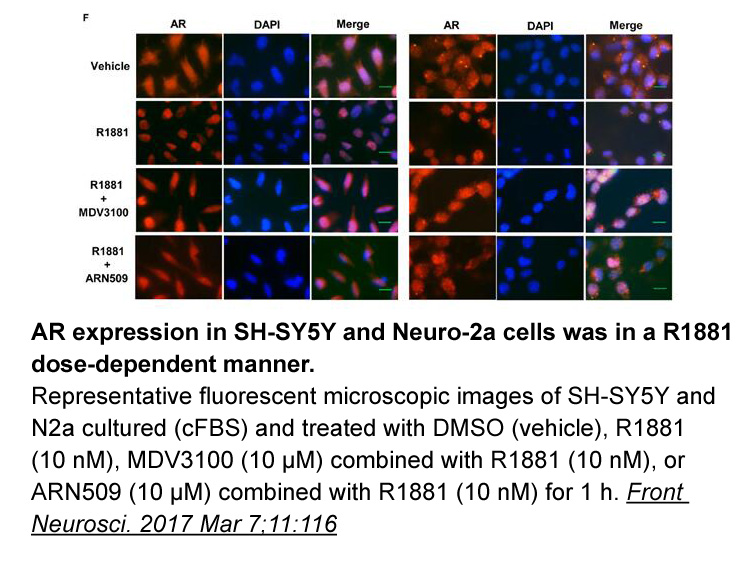
Pathophysiology of premature ovarian failure By the age of 40 years, 1% of women spontaneously develop POF [18]. The normal menopause occurs at an average age of 51 years [19] and results from ovarian follicle depletion [20], whereas POF is a heterogeneous disorder and can result from either foll
-
Our work raises the question of how a mechanism
2019-09-29
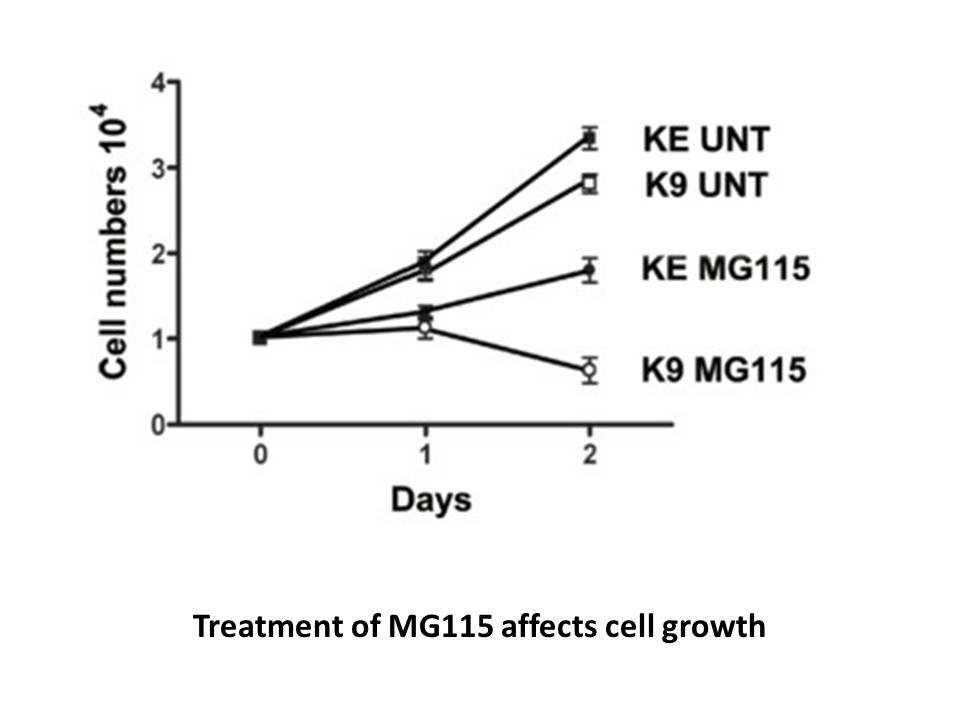
Our work raises the question of how a mechanism for control of developmental potency based on TEs might have evolved. Active TEs are under acute surveillance by cellular pathways that minimize transposition, including by Kap1 (Rowe et al., 2010). In part because of this, and in part because of a los
-
SS is a high grade
2019-09-27
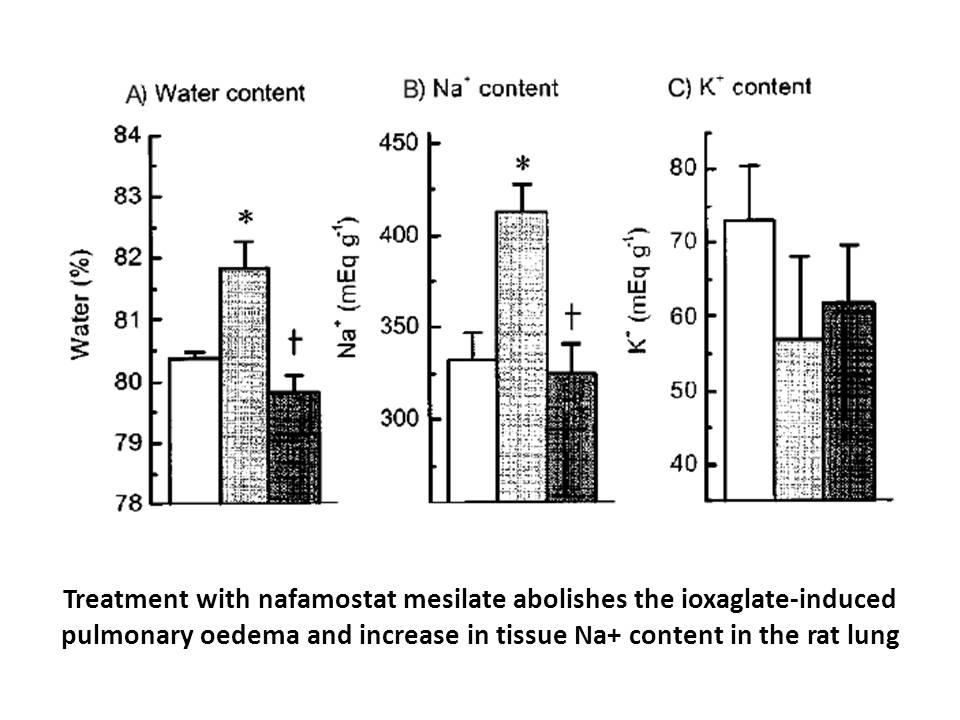
SS is a high-grade malignant soft tissue sarcoma accounting for 5%–10% of soft tissue sarcomas. After RMS, SS is the most common sarcoma in children, adolescents and young adults [9]. SS originates primarily in the lower (62%) and upper (21%) extremities but may occur at any anatomic site [9], [10].
-
br Materials and methods br Results br Discussion Endothelia
2019-09-27
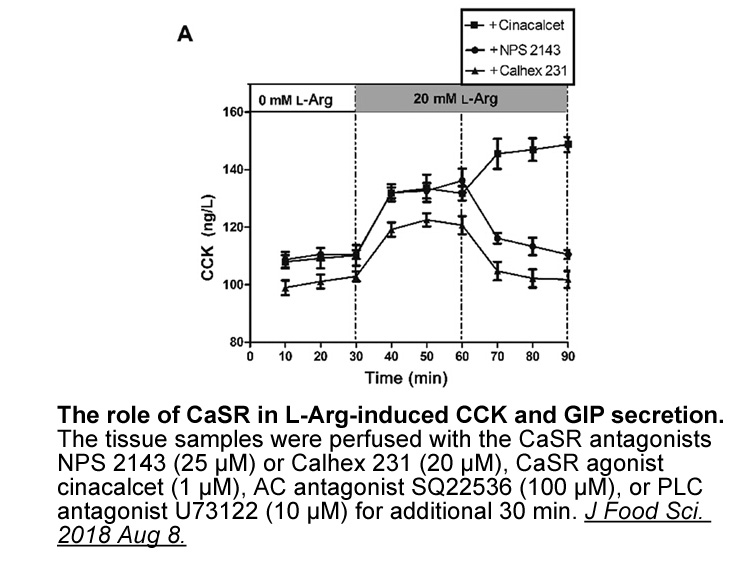
Materials and methods Results Discussion Endothelial cells are crucial for both vascular homeostasis and protecting the vasculature against atherogenic insults [3]. OxLDL-mediated injury to endothelial cells is crucial for endothelial dysfunction in the pathogenesis of atherosclerosis and a
-
Given that CE plays an essential
2019-09-27
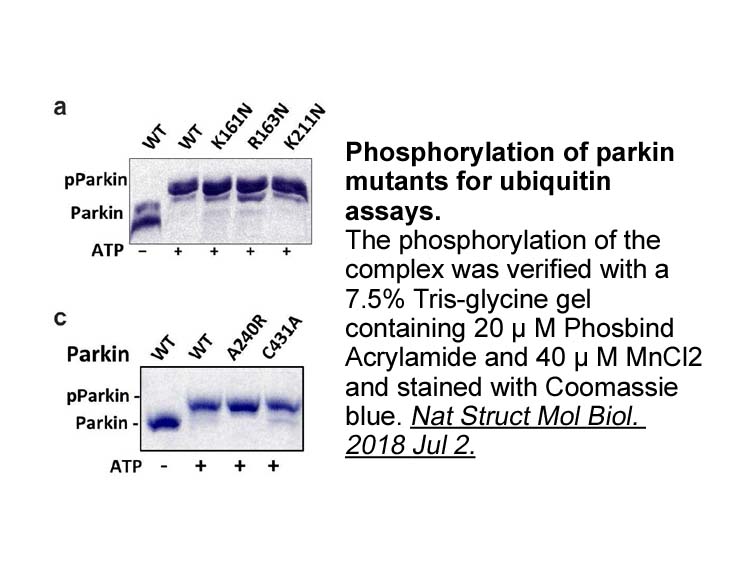
Given that CE plays an essential role in schistosome invasion, its immunoreactivity and protective potential is of significant interest. The native form of SmCE was found to be poorly immunogenic in immunized mice. An earlier study found that sera from S. mansoni patients have shown the presence of
-
br Marginal zone lymphoma Marginal zone
2019-09-27
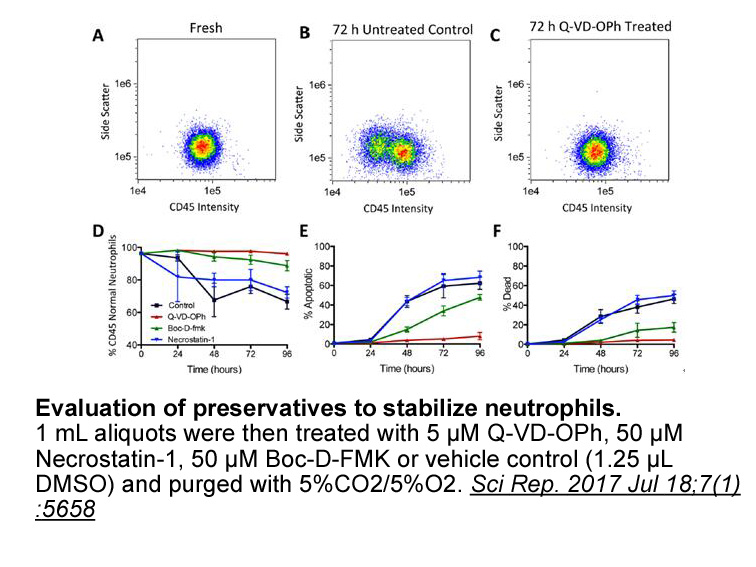
Marginal zone lymphoma Marginal zone lymphoma (MZL) comprises three lymphoma entities that arise from the marginal zone surrounding the germinal center: extranodal MZL or mucosa-associated lymphoid tissue (MALT), splenic MZL, and nodal MZL. Deep sequencing of nodal MZL patients found that 5/35 (1
-
br Enzymes involved in microbial
2019-09-27
Enzymes involved in microbial steroid degradation are generally not expressed constitutively, but they are upregulated depending on which steroid substrates are present [17,81]. Thus, a cell-free extract prepared from testosterone-adapted C. testosteroni ATCC 11996 cells displayed a 1(2)-dehydroge
-
Pahlavanzadeh and Fakouri Baygi employed PC SAFT EoS
2019-09-27
Pahlavanzadeh and Fakouri-Baygi [6] employed PC-SAFT EoS to predict the orphan receptor of carbon dioxide by aqueous MEA solutions. They used the ideal form of Smith–Missen algorithm to calculate liquid phase concentrations. The results illustrate acceptable accuracies so that the AAD was achieved
-
Since the aggregation of neurotoxic
2019-09-27
Since the aggregation of neurotoxic forms of Aβ plays a pivotal role in AD pathogenesis, an approach that using small molecules to bind Aβ monomers and prevent their assembly into cytotoxic oligomers attracts great interest for the development of AD drugs. Therefore, the potential inhibitory activit
-
The objective of the present work is to
2019-09-27
The objective of the present work is to search for the optimum blend when 12.5–50% metakaolin is substituted by RHA and reacted with 10 M sodium hydroxide solution to produce geopolymers. It was hypothesized that the amorphous Mexiletine HCl from RHA will increase the Si/Al ratio of the mix and in
-
In children only the genotype
2019-09-26
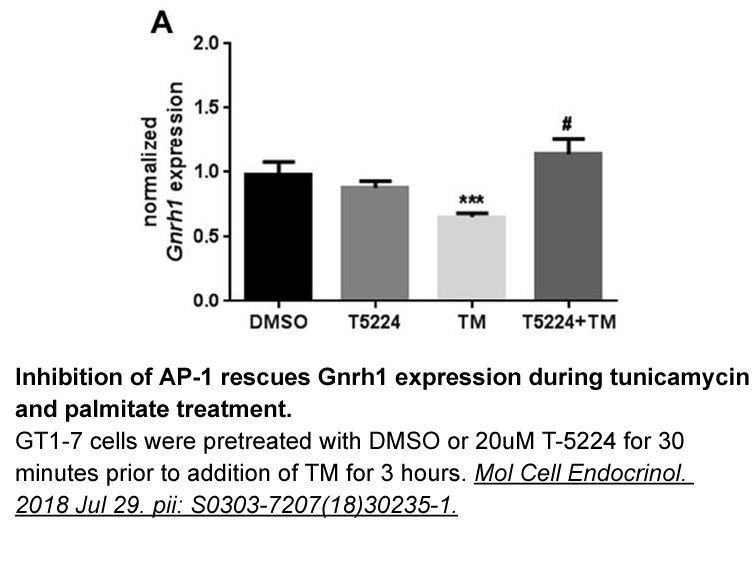
In children, only the 6/7 genotype was associated with spina bifida, increasing the risk about 4 times relative to the DHFR 3/3 and 6/6 genotypes. However, the 95%CIs are broad and only few spina bifida patients have the DHFR 6/7 genotype. The effect of the 6/7 genotype on spina bifida risk is there
-
It is interesting to note that oligomerization of
2019-09-26
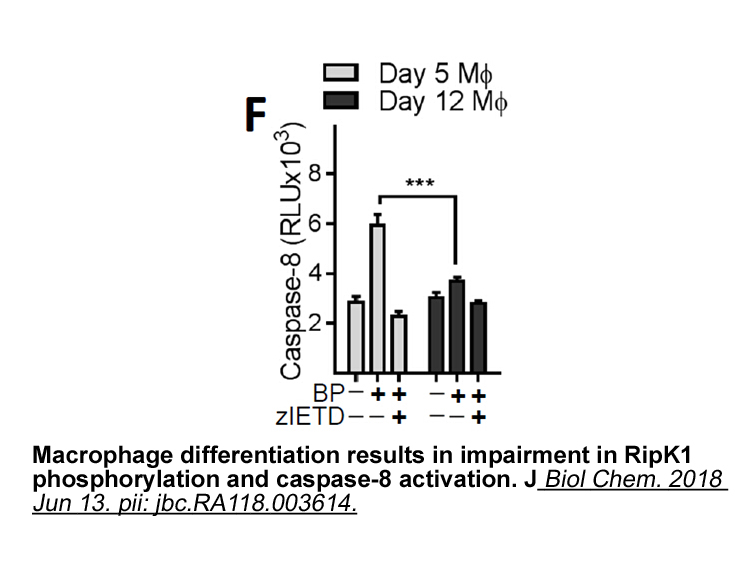
It is interesting to note that oligomerization of recombinant DDR1 ECD primarily occurred when the protein was incubated with collagen in solution and to a much lesser extent when collagen was pre-immobilized on a surface as reported in our earlier studies (Agarwal et al., 2007). We believe that pre
-
Copanlisib In this review we first introduce the in vivo
2019-09-26

In this review, we first introduce the in vivo metabolism profile of VD3, and the mediation of Cyp3a gene transcription by PXR and CAR in humans, mice and rats. We then focus on the species-specific VDR-dependent regulation of human (CYP3A4, CYP3A5 and CYP3A7), mouse (mainly CYP3A11 and CYP3A13), an
9272 records 507/619 page Previous Next First page 上5页 506507508509510 下5页 Last page