Archives
-
br Introduction The third variable V loop
2022-01-28
Introduction The third variable (V3) loop of the gp120 envelope glycoprotein (Env) on the surface of human immunodeficiency virus type 1 (HIV-1) becomes exposed after the virus binds CD4, the initial receptor; the V3 loop plays an important role in contacting the coreceptor CCR5 or CXCR4 to media
-
The neuronal glycine receptor HSOR
2022-01-28
The neuronal glycine receptor/3α-HSOR/allopregnanolone pathway may also be extended to the central nervous effects of gelsemine and koumine in brain. 3α-HSOR is expressed in certain brain regions in rats and humans, such as the limbic system including hypothalamus, hippocampus and amygdala, in addit
-
Previous studies have demonstrated that cannabinoid potentia
2022-01-28
Previous studies have demonstrated that cannabinoid potentiation of GlyR α3 subunits contributes to cannabinoid-induced analgesia. For instance, Dehydroxylcannabidiol (DH-CBD), a chemically modified cannabinoid, can alleviate acute pain and chronic inflammatory pain by targeting spinal α3 GlyRs (Xio
-
Polyunsaturated fatty acids PUFAs represent
2022-01-28
Polyunsaturated fatty acids (PUFAs) represent a class of lipids that contain two or more carbon double (unsaturated) bonds (CC) and classified as n-3, n-6 and n-9 fatty acids. PUFAs including n-3 such as docosahexaenoic ApoBrdU DNA Fragmentation Assay Kit australia (DHA), eicosapentaenoic acid (EPA)
-
br Redox regulation in the brain Reactive oxygen species are
2022-01-28

Redox regulation in the brain Reactive oxygen species are generated in Caspase-4 Colorimetric Assay Kit by the mitochondrial respiratory chain, which occurs on the inner mitochondrial membrane (Murphy, 2009, Jensen, 1966, Dickinson and Chang, 2011). Interestingly, although most cancer cells are
-
The functionally crucial arginine within M is not encoded
2022-01-28
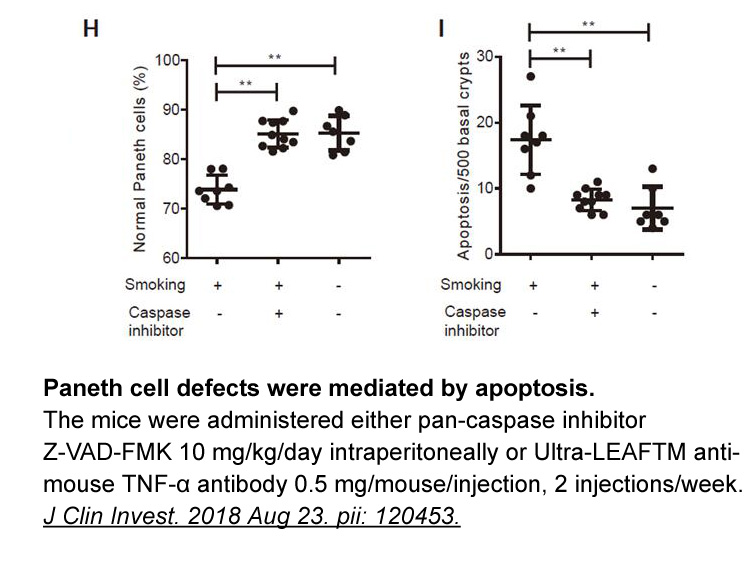
The functionally crucial arginine within M2 is not encoded by the gluR2 gene, but rather arises within the pre-mRNA by editing of a codon for the neutral glutamine residue25, 26. RNA editing at the Q/R site is specific to GluR2 and is extremely efficient. In neonatal and adult rat brain, almost 100%
-
br Financial support This work was
2022-01-27
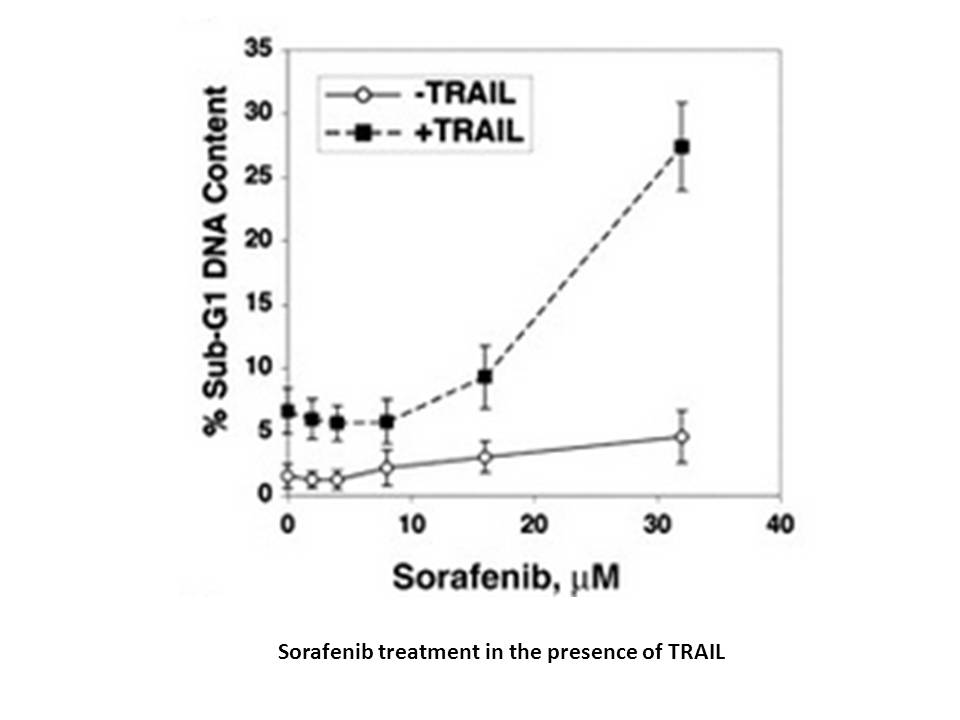
Financial support This work was supported by Fondation pour la Recherche Médicale (Equipe labellisée, DEQ20150331724), Inserm, University of Lille, and Agence Nationale pour la Recherche (ANR-10-LBEX-46 and ANR-10-INBS-08; ProFI project, “Infrastructures Nationales en Biologie et Santé”; “Investi
-
These observations are of particular interest
2022-01-27
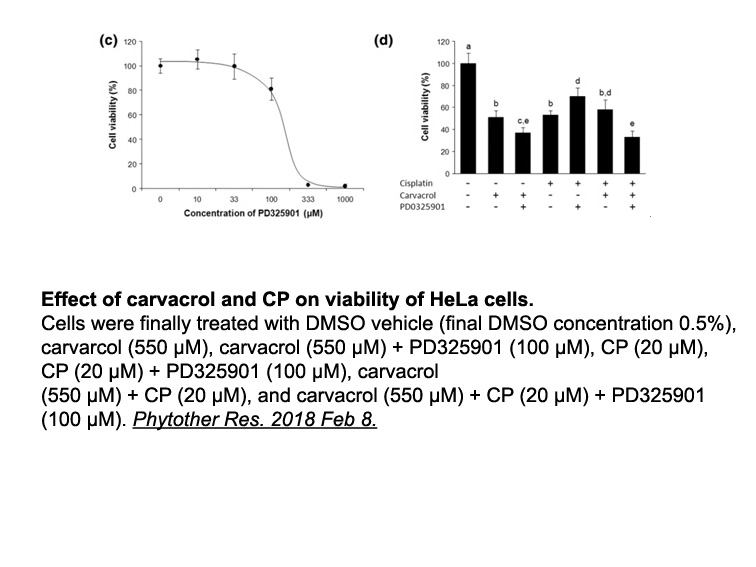
These observations are of particular interest in the context of recent conceptual changes regarding the mechanisms by which different types of leukocytes contribute to atherogenesis. Over the last decade, the paradigm of the predominant circulatory origin of lesional macrophages has been challenged
-
Sumoylation of transcription factors has
2022-01-27
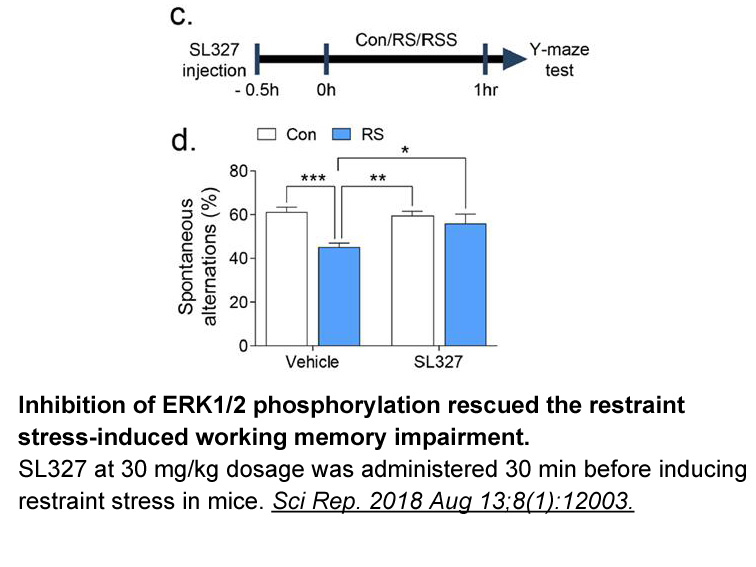
Sumoylation of transcription factors has been generally linked to transcriptional repression and, in a few cases, to transcriptional activation [60] Accumulating evidence implies that corepressor complex subunits, including CoREST, CtBP, Daxx, NCoR1, SMRT and histone deacetylase complexes (HDACs), p
-
Piceatannol Sperm exocytosis or acrosome reaction
2022-01-27
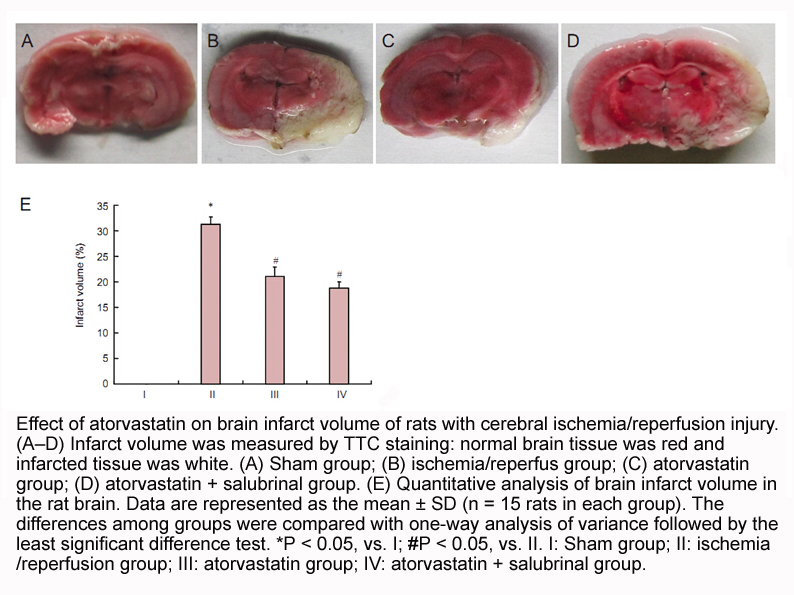
Sperm exocytosis or acrosome reaction (AR) is a regulated secretion with special characteristics essential for fertilization. The AR relies on the same highly conserved molecules that drive intracellular membrane fusion and exocytosis in all other Piceatannol (see [59] for a recent review). Two suc
-
AZD 5153 An interference of fluorescence derived from biolog
2022-01-27
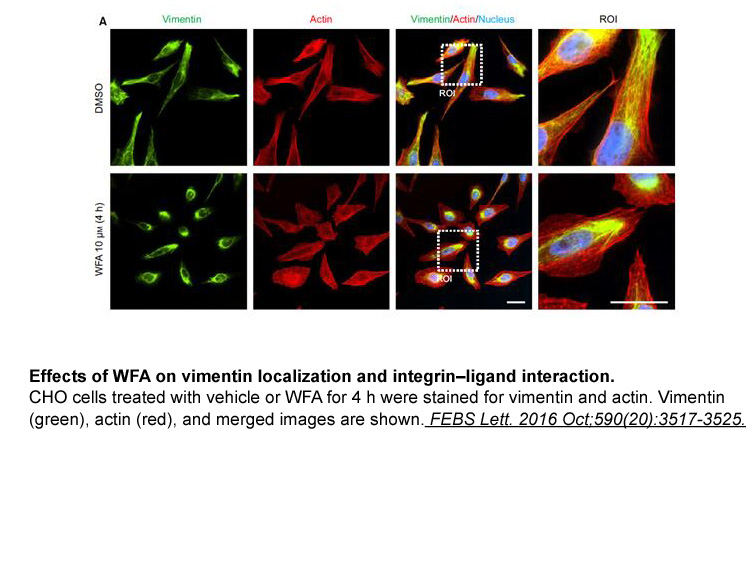
An interference of fluorescence derived from biological samples is also an important AZD 5153 to be addressed in the fluorescent analysis for biological samples. Advanced glycation endproducts (AGEs) are representative endogenous fluorescent substances that are widely distributed in various organs
-
br Material and methods br Results br Discussion
2022-01-27
Material and methods Results Discussion Liver plays a key role in the metabolism and detoxification of DON (Peng et al., 2017). However, various DON investigations generated inconsistent results, with some showing hepatotoxicity of DON, while others not. For example, one report stated that
-
br Multiple sclerosis MS is an immune mediated disease
2022-01-27
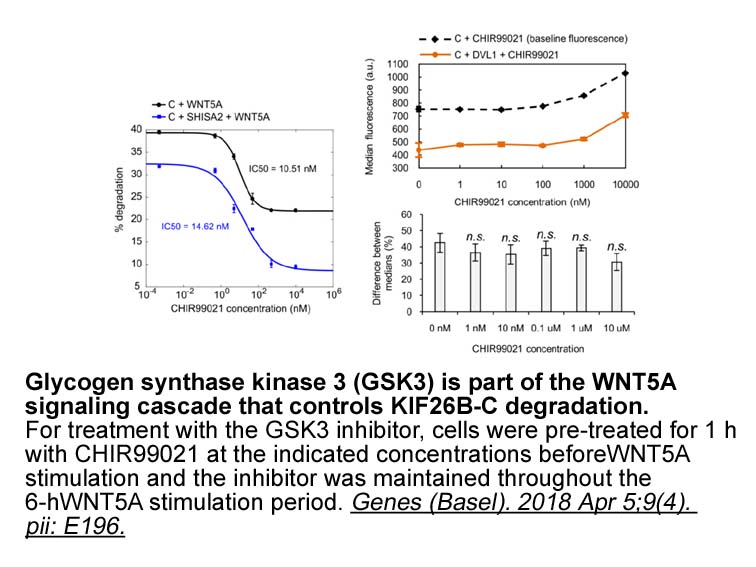
Multiple sclerosis MS is an immune-mediated disease of the human CNS with a pathological signature featuring immunocyte infiltration, altered cytokine production, oligodendroglial degeneration, astrogliosis, microglial activation, multifocal demyelination and axonal degeneration (Schipper, 2004b)
-
br Conclusion br Disclosure of
2022-01-27
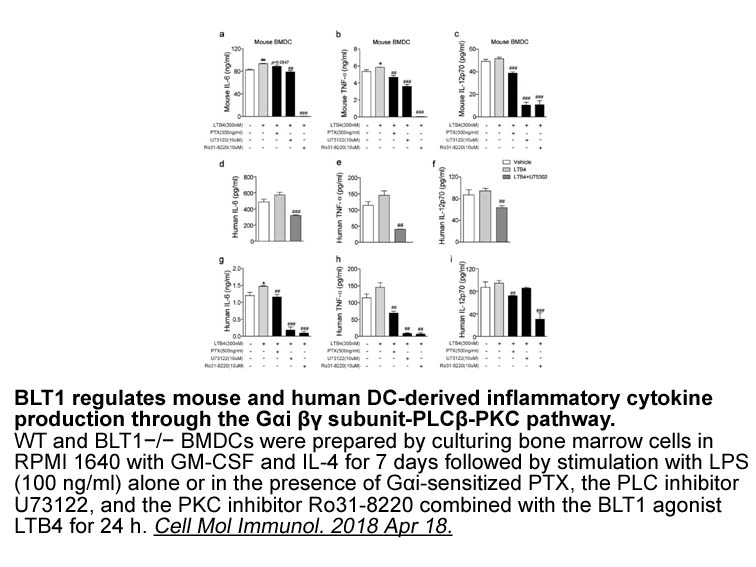
Conclusion Disclosure of interest Acknowledgement Introduction Vitamin B6 has long been recognized as a cofactor for many enzymes, especially those involved in amino Olomoucine australia metabolism. Apart from its role as coenzyme, recent studies are unveiling a new role of vitamin B6 a
-
Calpain Inhibitor II, ALLM Introduction Soluble guanylyl cyc
2022-01-27
Introduction Soluble guanylyl cyclase (sGC) is a key protein in the regulation of multiple physiological functions in mammalian physiology [1,2]. Upon stimulation by nitric oxide (NO) [3], sGC generates cyclic guanosine monophosphate (cGMP) from guanosine-5′ triphosphate and activates protein kinas
1052 records 54/71 page Previous Next First page 上5页 5152535455 下5页 Last page